Dr. Laurie Marker, one of the world’s foremost cheetah conservationists, visited Connecticut this week as part of a nationwide effort to raise awareness about the species’ rapid decline and the global work underway to reverse it.
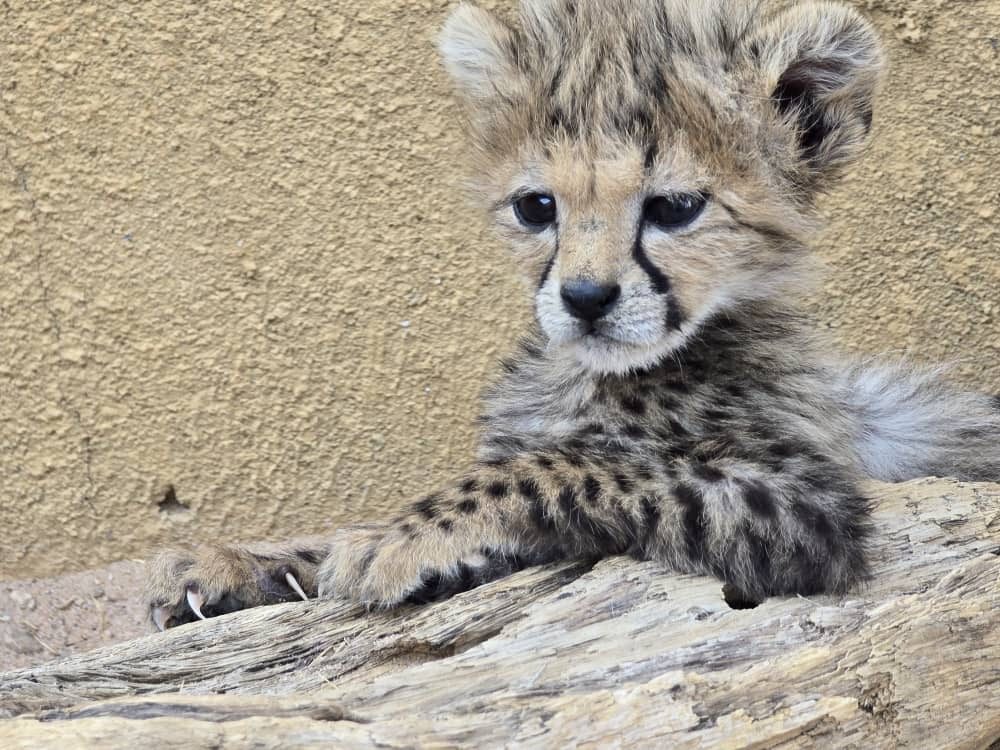
Marker, founder of the Cheetah Conservation Fund, has spent more than 35 years leading international efforts to protect cheetahs, whose population has fallen to fewer than 7,000 animals worldwide. Her stop at the Beardsley Zoo on April 15 was part of a 70-day U.S. tour focused on public education, conservation funding, and community engagement.
Her work traces back to 1977, when she brought a captive-born cheetah from the United States to Namibia and trained it to hunt in the wild, a breakthrough in understanding the species’ adaptability. That experience led to a permanent move to Namibia in 1990, where she established the Cheetah Research & Education Center on a 156,000-acre reserve.
The center has since expanded into a multi-faceted conservation campus that includes a genetics laboratory, veterinary clinic, and eco-tourism program. It also serves as a major employer in the region, reflecting Marker’s focus on linking conservation efforts with local economic stability.
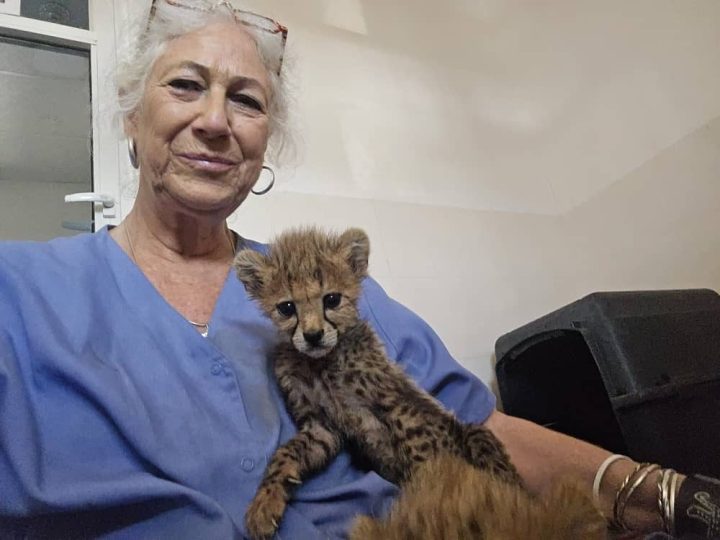
In 2016, Marker broadened her work with the creation of a second facility in Somaliland, focused on rescuing cheetahs from the illegal wildlife trade. The center now houses the largest number of cheetahs in captivity globally, including animals confiscated from trafficking operations.
Marker has also played a role in the reintroduction of cheetahs to India, where the species had been extinct for more than 70 years. The program recently reached a milestone with the birth of its 10th litter of cubs, bringing the total number of cheetahs there to 45 since reintroduction began.
Her Connecticut visit highlighted both the progress and the challenges facing the species. Conservation efforts continue to confront threats including habitat loss, human-wildlife conflict, and illegal trade.
Marker’s work has consistently emphasized a combination of scientific research, community involvement, and international cooperation. Her outreach efforts aim to connect global conservation issues with local audiences, encouraging individuals to take part in supporting wildlife protection.
The visit to Connecticut provided residents with an opportunity to hear directly from a conservation leader whose career spans nearly five decades and whose work continues to shape international strategies for species preservation.
As cheetah populations remain under pressure, Marker’s message centers on sustained attention and coordinated action, underscoring the role that public awareness plays in the long-term survival of the species.