By Josey Gardner
As the spring season progresses, more and more of the natural world starts waking up from its winter slumber–bright green sprouts poke out from wet earth, tiny buds form on branches, and wildlife start emerging from caves, nests, and burrows. Aside from waking up old life, spring also brings new life as many wildlife bear young.
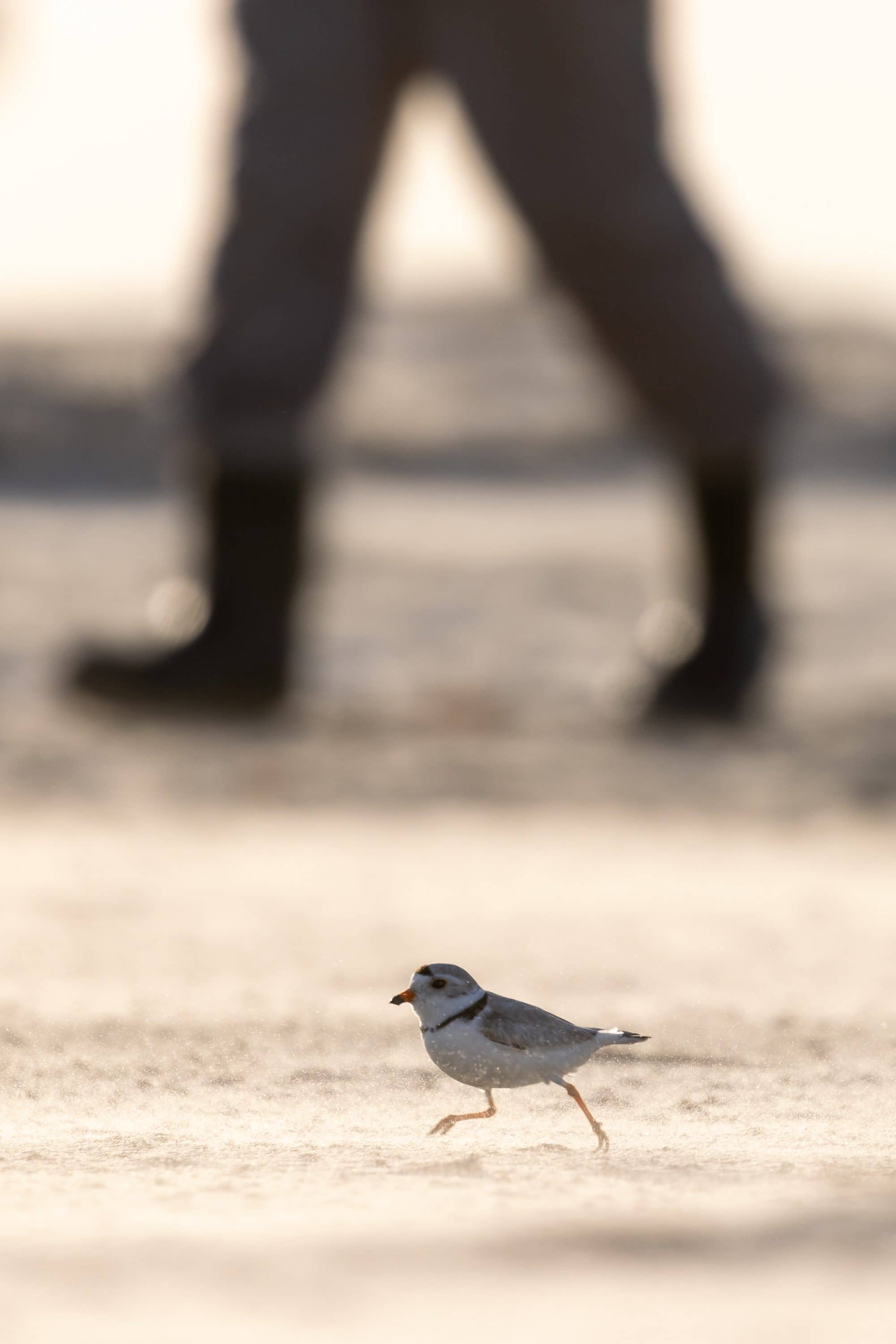
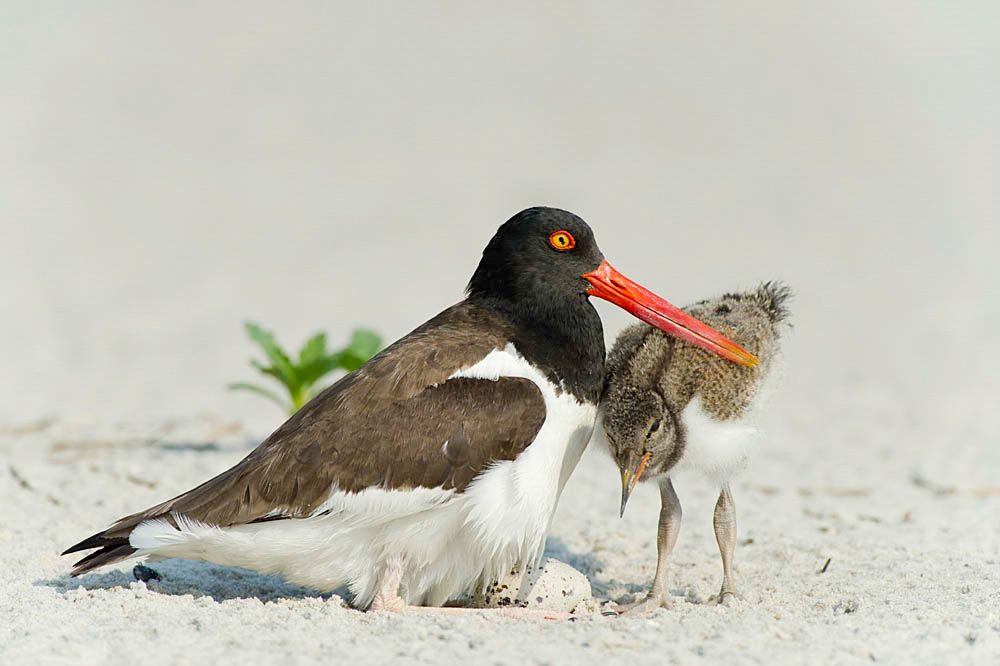
New life in coastal environments is particularly fragile. Wildlife who nest along the shore are often more exposed to the elements and to other predators, not to mention other people as we recreate on the beach. Shorebirds that nest on New York and Connecticut coasts include American Oystercatchers, Piping Plovers, and more. As you walk on the beach this spring, you may see areas that are fenced off. This fencing usually implies a nesting area, which is fenced off because shorebirds eggs are small and camouflaged so well that they are easily stepped on and crushed. When you see a fenced area, you should respect the boundary and steer clear of the nest and give the nesting birds lots of space. Many beaches also restrict dog access during nesting season. Even the friendliest of dogs will terrify a nesting shorebird, so keeping our furry, four-legged friends away from nesting areas for the time being is paramount.
The National Audubon Society’s “Be a Good Egg” and “Share the Shore” initiatives aim to protect vulnerable shorebird populations. From the Long Island Sound, to the beaches of Florida, beach-goers everywhere can pledge to respect nesting shorebirds and to share the shore by: keeping a safe distance from marked or fenced areas where birds are nesting; keeping the beach clean by using proper receptacles or carrying out trash; keeping dogs off of nesting beaches; walking on wet sand (to avoid accidentally stepping on a nest outside of protected areas) and around flocks of birds; and sharing the love and spread the word on social media with the #sharetheshore tag. These actions allow some of our most vulnerable local bird populations to safely hatch and raise their young.
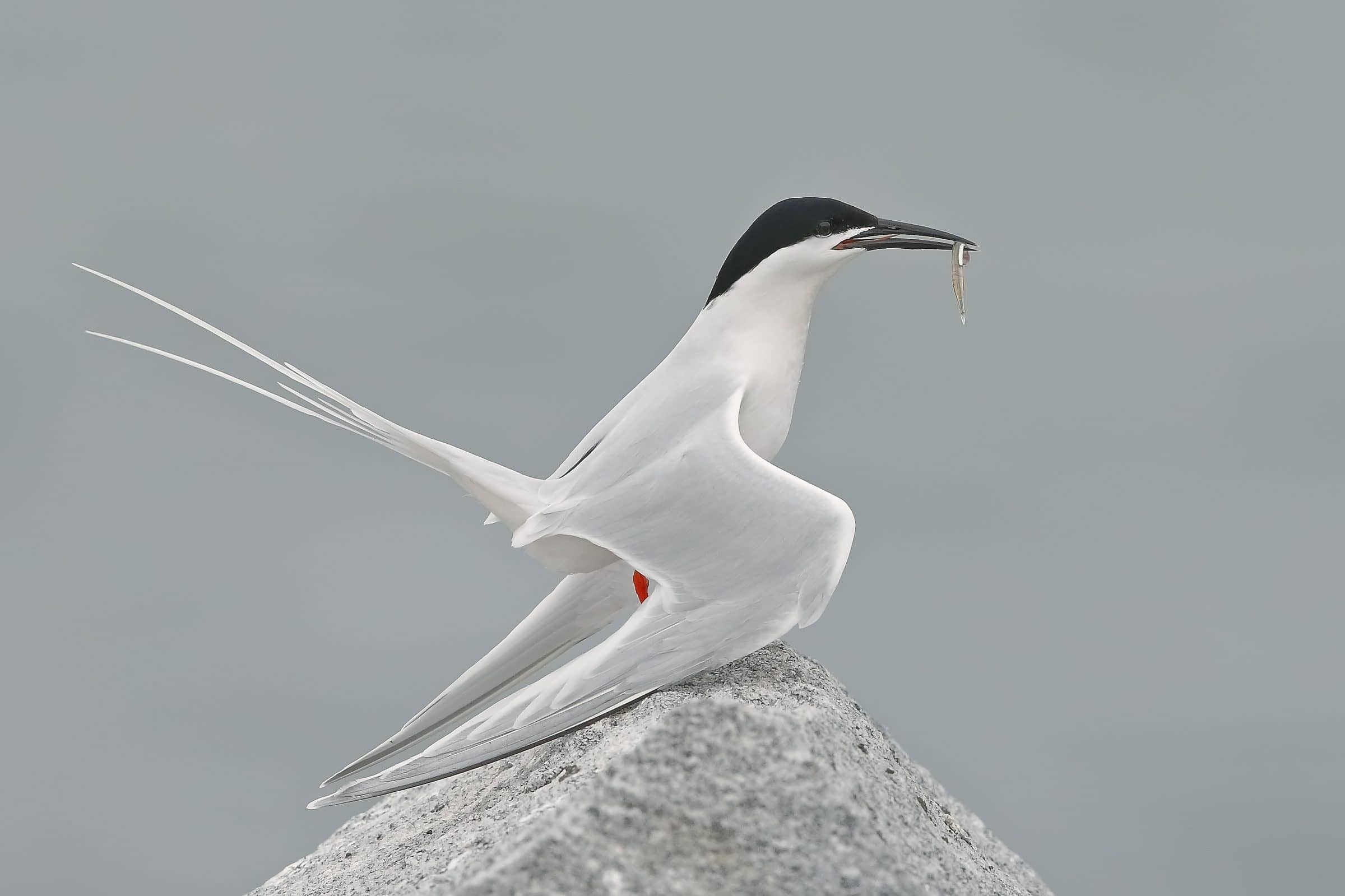
Due to their conservation vulnerability status, many of the shorebirds in New York and Connecticut are federally and state-protected species. For example, the numbers of the Roseate Tern have declined drastically in the Northeast specifically in the past several years, and they are now an endangered species in the Northeast. However, the home of the largest Roseate Tern colony during nesting season in the western hemisphere is at Great Gull Island off the coast of New York and Connecticut. This gives the New York and Connecticut Audubon offices a unique opportunity to help these endangered birds this season. The Connecticut office of the National Audubon Society and the Audubon Alliance for Coastal Waterbirds have partnered with researchers at Great Gull Island to build Roseate Tern nest boxes to support nesting success in this large colony, aiming to increase the dwindling numbers of Roseate Terns across the rest of the Northeast coastline.
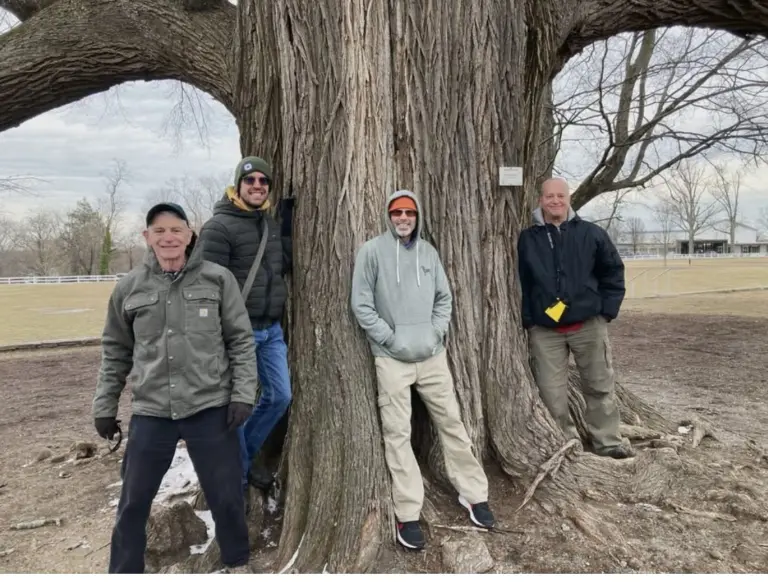
The Audubon Alliance for Coastal Waterbirds (which includes the Connecticut Audubon Society, Audubon Connecticut–the state office of the National Audubon Society, The Nature Conservancy, the Connecticut Department of Energy and Environmental Protection, and the U.S. Fish and Wildlife Service) has a long history of stewardship and assembling volunteers for conservation projects across Connecticut. The Alliance focuses on species that are vulnerable to human disturbance and habitat loss, including Piping Plover, American Oystercatcher, Least Tern, and Common Tern, all of which nest in Connecticut, and Semipalmated Sandpipers and other shorebirds that stop here during migration. This nesting season, volunteer efforts are directed towards the endangered Roseate Tern.
Roseate Terns and many other vulnerable bird species are relying on you to be a good egg and share the shore this nesting season. As you relax and have fun at the beach this spring and summer, always be respectful of fenced off areas. Pledge to be a good egg, and volunteer to help these endangered birds when you can. You can visit https://ctaudubon.org/conservation/volunteer/ as well as https://www.audubon.org/greenwich/get-involved online to learn more about volunteer opportunities.