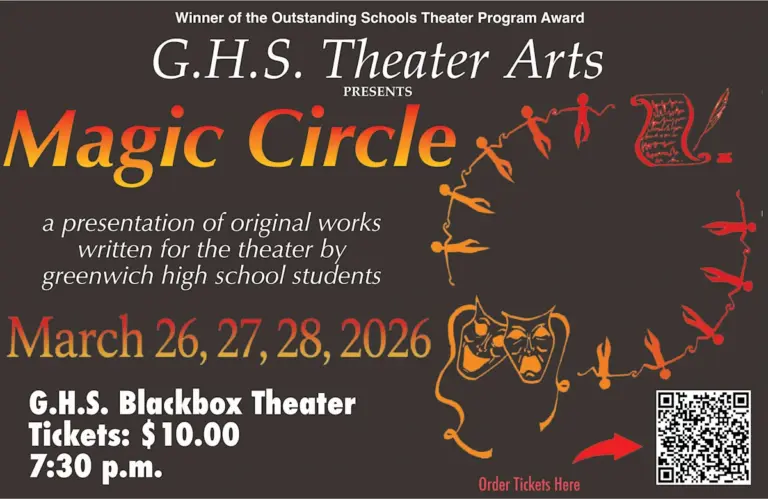
Folklorist and artist Derek Piotr presented the Peterson Music Lecture at the Greenwich Main Library on March 26, offering a detailed look at his ongoing fieldwork and the growing scope of the Derek Piotr Fieldwork Archive. Held in the Marx Family Black Box Theater, the program centered on the documentation and preservation of vernacular song traditions through direct, on-the-ground recording.
Founded in 2022, the archive now contains more than 1,500 audio recordings collected since 2020. The material spans ballads, hymns, children’s songs, oral histories, and spoken narratives, each captured in informal environments where these traditions continue to circulate. The archive is publicly accessible online at fieldwork-archive.com and continues to expand as Piotr’s fieldwork progresses.
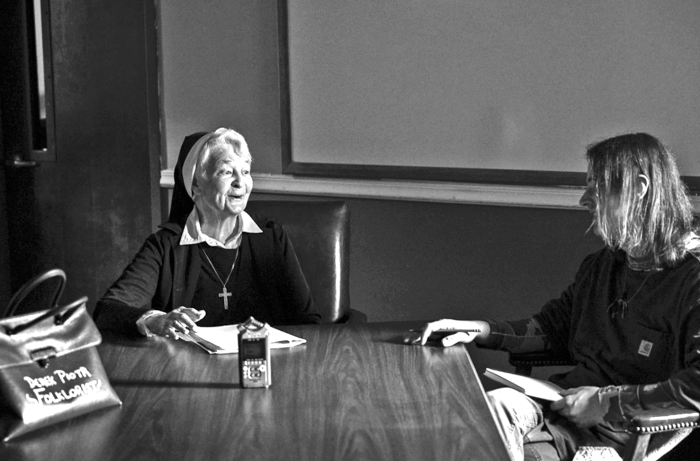
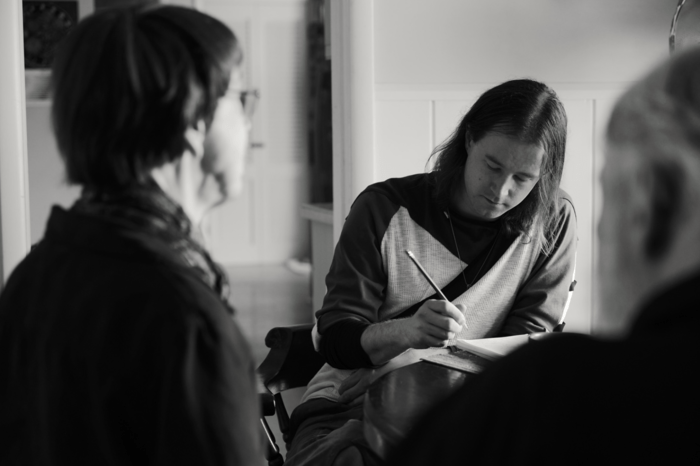
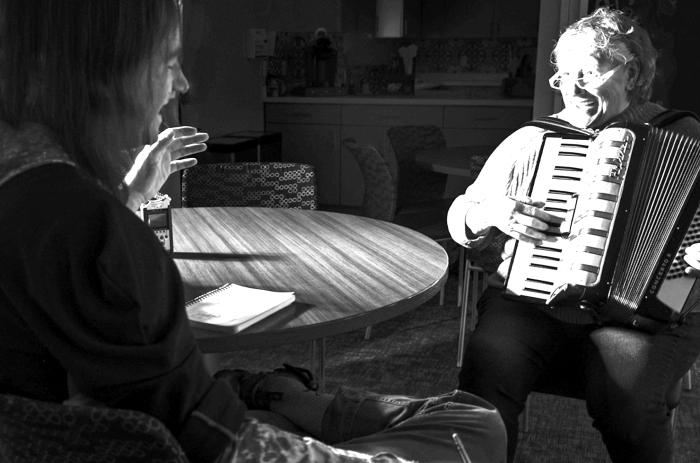
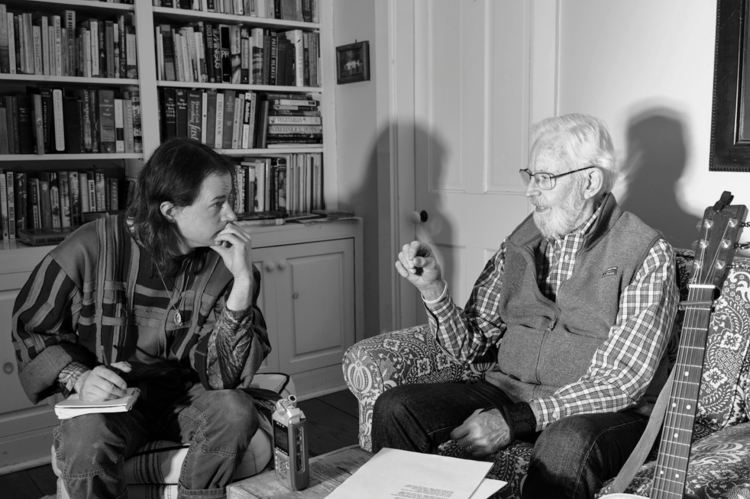
Piotr’s approach prioritizes individuals who do not typically appear in formal performance settings. Many of the recordings come from people who carry songs through memory rather than training, offering versions shaped by repetition, place, and personal history. These recordings often take place in domestic spaces, including kitchens, porches, and living rooms, where songs emerge within the course of conversation. Recording sessions frequently include both sung and spoken material, with participants moving between recollection and performance.
The lecture traced Piotr’s travels through regions with strong oral traditions, including coastal communities in Iceland and rural areas of Appalachia. Across these locations, the recordings document regional variation in phrasing, melody, cadence, and accent. In some cases, multiple versions of a single song appear across different locations, reflecting localized transmission. The archive includes both complete performances and partial fragments, depending on the circumstances of each recording.
Each recording preserves not only the song itself but also elements of the surrounding environment. Background sounds, pauses, and conversational exchanges remain part of the final audio, providing additional context for how the material is shared. Recordings are accompanied by basic metadata, which may include location, date, and descriptive notes.
A selection of audio excerpts formed the core of the presentation. Unaccompanied voices were played through the theater sound system, allowing listeners to hear differences in tone, pacing, and delivery. Some recordings featured a single voice, while others included dialogue or brief exchanges between participants and the recorder.
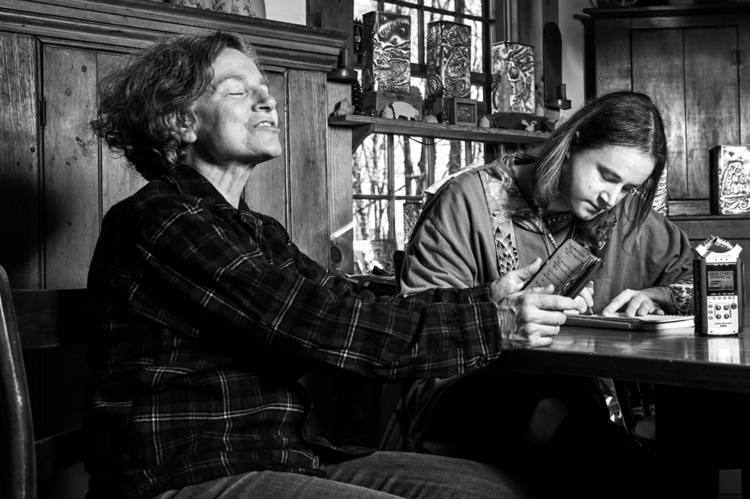
Piotr described his fieldwork as a process grounded in sustained listening and relationship-building. Initial visits may involve extended conversation without recording, followed by later sessions where participants choose to share material. This approach shapes both the content of the archive and its organization, which reflects individual encounters rather than a standardized format.
The digital format of the Fieldwork Archive allows for direct access to recordings through an online interface. Entries are organized individually, with each recording presented as a discrete item. The platform supports browsing and listening without requiring specialized equipment, making the material available to a wide audience.
Within the setting of the Greenwich Main Library, the lecture took place in a theater space configured for small-scale presentations. Seating was arranged to focus attention on the speaker and audio playback. The program did not include visual projections beyond basic contextual references, maintaining emphasis on sound.
The Peterson Music Lecture series is hosted at the Greenwich Main Library and features speakers working across music, research, and cultural documentation. Piotr’s presentation focused specifically on field recording practices and the structure of his archive.
The Fieldwork Archive remains an active project, with additional recordings added as fieldwork continues. The collection reflects ongoing documentation of song and spoken tradition across multiple regions and participants.