 By John R. Conte
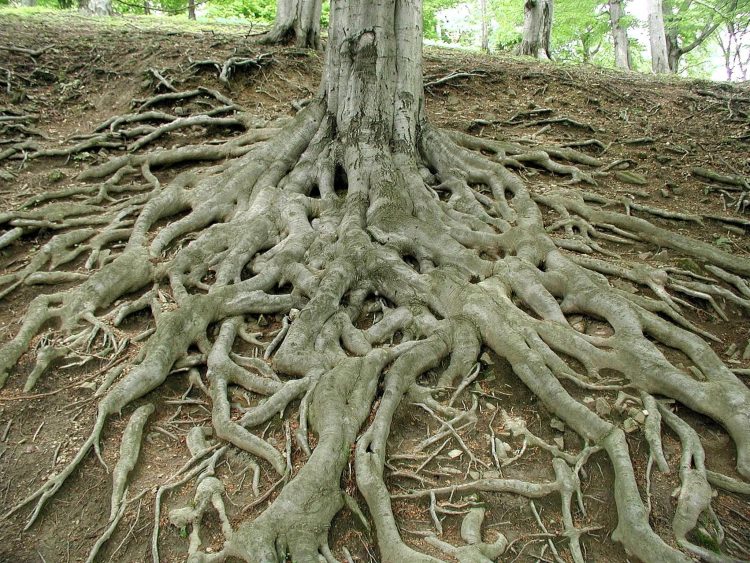
As a landscape architect and president of the Greenwich Tree Conservancy, I’m excited to share some practical tips that empower homeowners to be advocates for their trees during construction activities on their property. Such projects, whether large or small, can alter drainage patterns, soil composition and the overall topography of the land. These changes can be hard on trees. Trees are more than just a part of our landscape—they’re living, breathing assets that add beauty, value, and a sense of wellbeing to our homes. With the right knowledge and approach, you can ensure your trees remain a thriving part of your property during, and especially after, a project.
Start by scheduling a comprehensive tree assessment with a certified arborist before any construction begins. This assessment can pinpoint potential vulnerabilities and give you a clear idea of your tree’s current health. An arborist’s insight is invaluable for both you and your contractor, as it lays the groundwork for a construction plan that respects the integrity of your tree’s root system.
Another one of the most important things you can do to give your trees the protection they need before construction starts is to create a “Tree Protection Zone” (TPZ). This zone serves as a physical and operational barrier around your important trees, ensuring that no heavy equipment or disruptive activities come too close to the roots, trunk or branches of these assets. The size of the TPZ should be based on your tree’s species, age and size. Contractors should install barriers and signage around these areas prior to the start of construction activities, making it clear to everyone on site that tree preservation is a top priority. A well-defined TPZ is not just a protective measure—it’s a visual reminder of the value trees add to your home. Even foot traffic can be detrimental to tree roots if concentrated in one place for extended periods. Retaining a landscape architect who is well versed in tree protection methods is a great way to ensure that these practices are defined and followed.
An arborist can develop a Tree Protection Plan that defines the TPZ and describes a range of tree protection methods to be prescribed. This can include fencing, wooden frames around tree trunks, hardened ground mats that protect soil from compaction, and in some cases, temporary construction roads to define vehicle and circulation areas.
The tree protection plan can also outline specific measures to be taken to safeguard trees such as requiring the use of modern tools like an air spade for trenching within root zones. The air spade uses a focused blast of air to dislodge soil from around roots without doing any damage to the fibrous web of fine root structures below the soil. Often, pipes or wires can then be installed under the roots and soil can be backfilled without the tree feeling any harmful effects from these installations. This is dramatically different than using a backhoe to rip up roots, tearing and damaging them well beyond the excavation zone.
The establishment of a TPZ, and the steps to be taken in and around the zone will dramatically improve the likelihood that your trees will remain healthy and viable for years to come. A written plan reinforces accountability and ensures that everyone involved in the project understands the importance of tree preservation.
Fostering a collaborative relationship with your contractor is imperative. Many professionals in the construction industry are eager to adopt environmentally friendly practices when they understand the significance of preserving mature trees. By sharing your tree protection goals and asking for examples of previous projects where trees were successfully safeguarded, you build a team dynamic that’s focused on long-term success rather than short-term convenience.
At the end of the day, construction doesn’t have to mean the loss of your trees’ beauty or health. Modern construction techniques and proactive measures can harmoniously blend progress with nature conservation. By embracing innovative tools like the air spade and insisting on best management practices, you empower yourself to be a strong advocate for your trees.
Let’s work together to champion a greener, healthier future for our community. With knowledge, planning, and open communication, you can confidently ensure that your construction project will honor and preserve the natural legacy of your property’s trees.
John R. Conte, RLA, ASLA
President, Greenwich Tree Conservancy
To find out more about the Greenwich Tree Conservancy, visit us at: www.greenwichtreeconservancy.org