Prelude to a Revolution in a New York Border Town
-
Greenwich Sentinel·
- September 15, 2026·
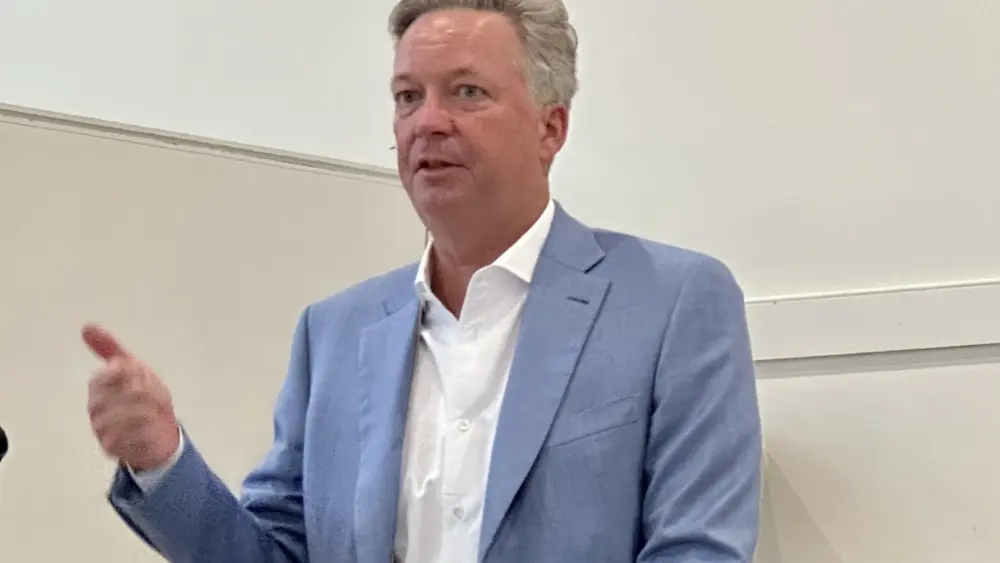
Lear Beyer’s presentation to the Retired Men’s Association argued that the American Revolution was deeply divisive in Rye, Westchester, and New York, where many residents and even members of the same families remained loyal to the British Crown. He described New York’s delayed support for independence and violent local conflict between patriots and loyalists, including killings, the burning of White Plains, and the abandonment of communities in the contested “neutral ground.” Beyer suggested that Rye’s limited public commemoration of the Revolution may reflect its loyalist past, while noting the later transformation of loyalist clergyman Samuel Seabury into the first Episcopal bishop in the United States.